
Some people can see the good in others but struggle to recognize it in themselves. They listen, offer support, contribute… and still feel that whatever they do is never enough. When they receive a compliment, they downplay it. If someone criticizes them, those words can stay with them for days.
Sometimes, this way of seeing ourselves goes back a long way. Receiving little recognition, growing up with demanding expectations, or becoming used to comparison can leave a lingering feeling: “Others do it better,” “What I do isn’t worth as much,” “Something is missing in me.”
Amancay, one of the 24 SYLFOS Andean Essences, relates to this difficulty in appreciating ourselves. Its central theme is our underlying sense of self-worth: recognizing our own value, inner beauty, and dignity.
When other people’s opinions carry too much weight
It is natural to care about what others think of us. The difficulty arises when their opinions determine how we feel about ourselves.
A word of appreciation restores our confidence; an indifferent gesture makes us think we have done something wrong. We may work hard to gain acceptance while putting our own needs aside.
This also happens in everyday situations: having something to say but keeping quiet because it seems uninteresting; apologizing before asking for something; comparing our achievements with someone else’s and feeling that ours count for less.
Within the SYLFOS approach to flower essences, Amancay is associated with feelings of low self-worth, self-criticism, and dependence on external approval. Its invitation is to look at ourselves with appreciation again and feel more confident in our own presence.
Valuing ourselves when things go wrong
It is easy to feel worthy when everything is going well. It becomes harder when we make a mistake, experience rejection, or go through a period of insecurity.
At those times, a specific difficulty can turn into a judgment about who we are as a whole. “That didn’t go well” becomes “I’m not capable.” The end of a relationship can lead us to think we do not deserve love. Criticism of our work can make us question everything we know.
Amancay’s theme invites us to notice that shift: to recognise when we stop assessing a situation and start putting ourselves down.
We can acknowledge a mistake and still treat ourselves with respect. We can recognise that we have something to learn while also acknowledging what we already know and contribute. This is the inner dignity to which this essence refers: retaining a sense of our own worth, even in difficult moments.
Amancay’s inner beauty
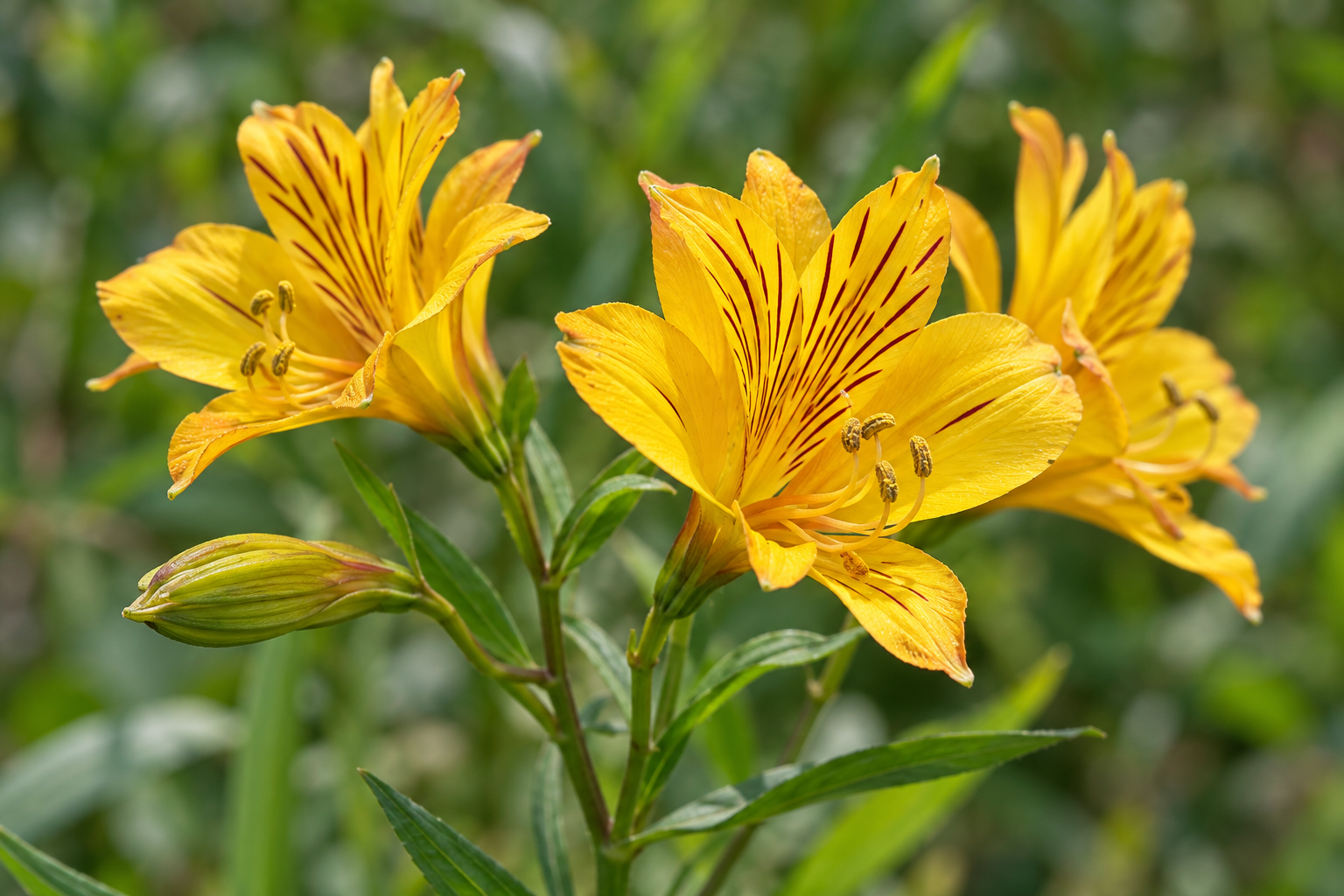
Amancay, Alstroemeria aurea, is a flower from the southern Andes of Chile and Argentina. In the symbolic interpretation of the SYLFOS system, its golden colour is linked to personal radiance and inner worth.
The expression “regaining our radiance” may sound abstract, but it has a simple meaning in everyday life: joining a conversation again, expressing a preference, accepting appreciation without dismissing it or feeling entitled to ask for consideration.
Inner beauty shows through our sensitivity, what we offer, and how we understand and relate to others. Sometimes, these qualities have been there for a long time; the difficulty lies in valuing them.
Amancay and Alfalfa Chilota
Low self-worth and emotional depletion can occur together. This is why Amancay’s profile describes its complementarity with Alfalfa Chilota.
Alfalfa Chilota focuses on emotional nourishment and replenishing depleted inner resources. You can recognize its theme in someone who has given a great deal and feels the need for support.
Amancay focuses on self-appreciation. Its theme arises when we struggle to recognize our own qualities or when comparison makes us feel inferior.
A person may need both: to feel supported and to learn to recognize their own worth. This distinction helps us understand what they are experiencing and which aspect needs attention.
Starting with something small
To explore Amancay’s theme, it can help to notice how we respond to a compliment. Do we accept it? Change the subject? Immediately explain why “it wasn’t a big deal”?
Another possibility is to recall a recent situation in which we felt inferior to someone and ask ourselves:
What was I comparing? What quality in myself did I overlook at that moment?
You don't need to find a perfect answer. It is enough to acknowledge something specific that we tend to overlook: listening attentively, getting through a difficulty, learning something or honestly expressing how we felt.
Within the SYLFOS approach, Amancay invites us to make room for this recognition. To stop minimizing who we are and treat ourselves with the same consideration we offer other people.
“I am worthy and valuable just as I am.”
At first, this statement may feel far removed from how we see ourselves. We can begin with a simple gesture: accepting a “thank you” without brushing it aside, expressing what we need, or acknowledging something we have done well.
This article presents the emotional and symbolic qualities attributed to Amancay within the SYLFOS system. It does not describe medically proven effects.